
- Browse Categories
- T-motor Section
- Drone Accessories
- Drone
- CFRP Sheets & Plates
- Others
- Certifications
-
- Hot Products
- News
-
-
About VX-motor
Drone Motor & UAV Propulsion Leader -
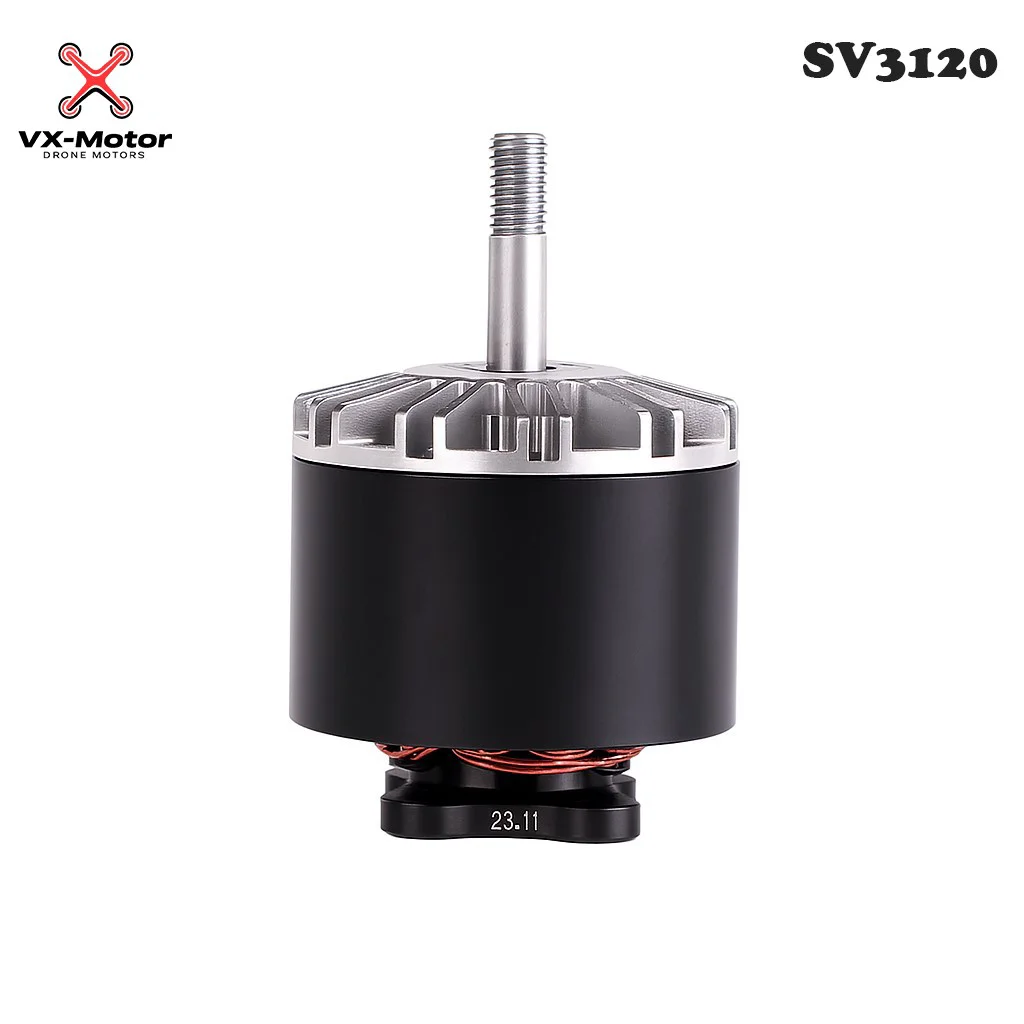
SV3120
Professional Cinematic & Heavy-Lift Drone Motor -
China’s Drone Industry Soars to New Heights: A Glimpse from Shanghai Expo
China’s Drone Industry Soars to New Heights: A Glimpse from Shanghai Expo
-
- Contact Us
- Contact Now
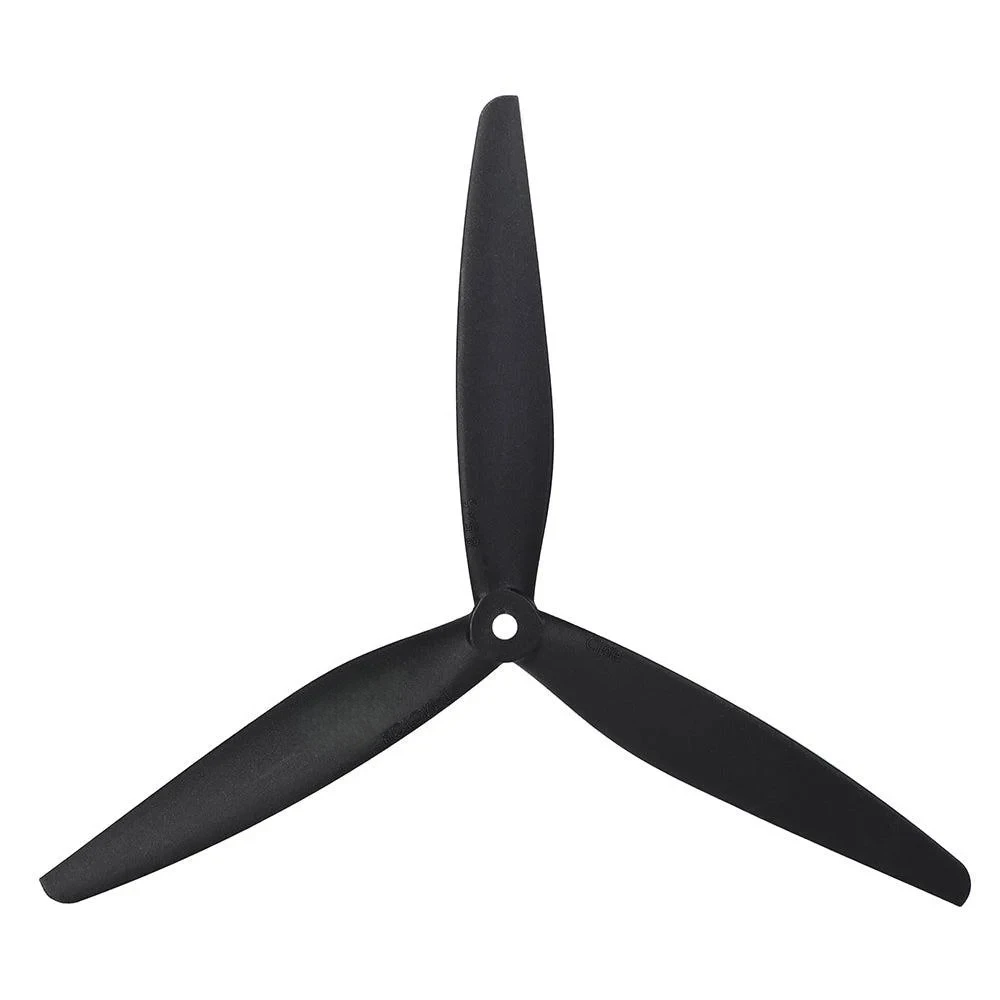
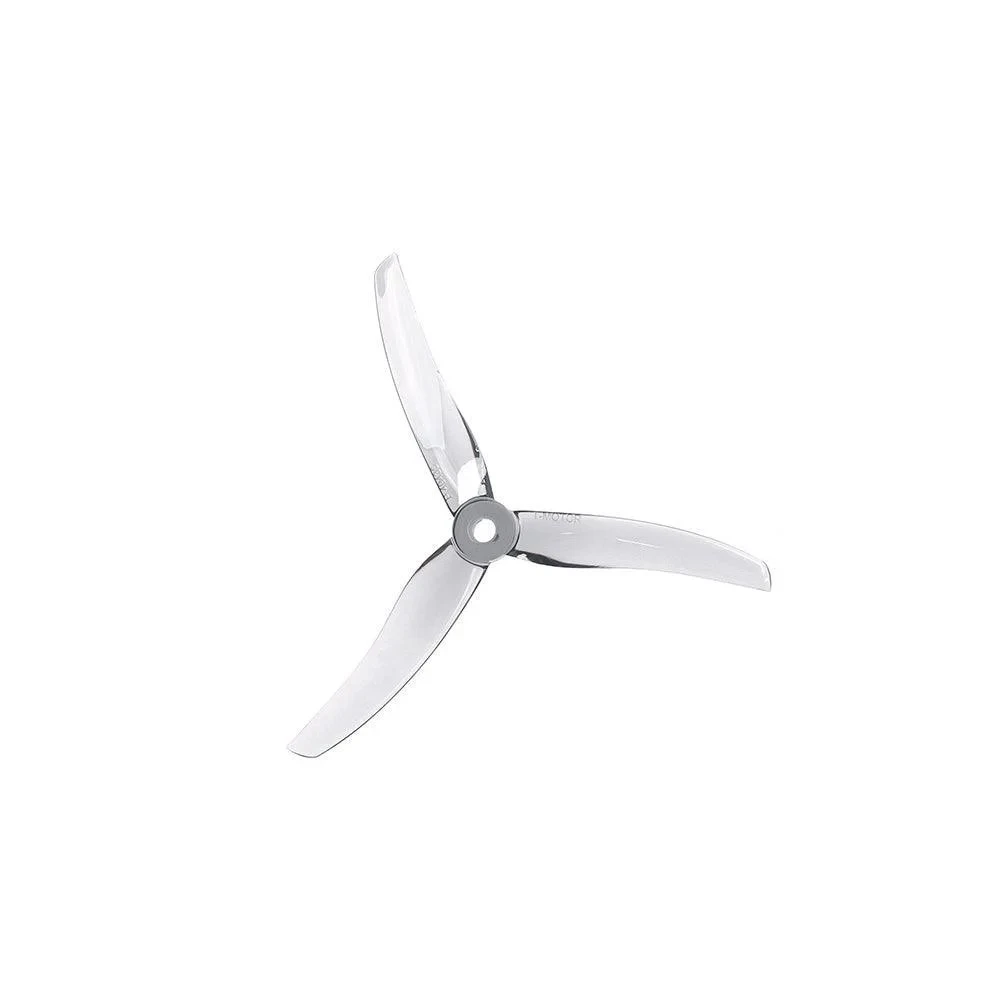
This category encompasses the essential aerodynamic components for multi-rotor drones: propellers. Acting as rotating wings, propellers are responsible for generating the thrust that enables flight, and their design directly dictates a drone's efficiency, responsiveness, noise profile, and overall handling. We offer a wide selection of propellers in various materials, diameters, pitches, and blade counts, allowing pilots and builders to fine-tune their aircraft's performance for specific applications, from serene aerial photography to aggressive freestyle flight.
Core Value Proposition:
Propellers are a critical tuning element in any multi-rotor system. Their primary value lies in efficiently converting the motor's rotational power into controlled thrust. The choice of propeller directly impacts key performance metrics: larger diameters or higher pitches generally create more thrust, while different materials and designs affect durability, weight, and vibration. Selecting the right propeller matched to your motor's KV and the desired flight style can dramatically increase flight time, improve stability, reduce noise, and unlock the full potential of your propulsion system.
Key Design & Selection Factors:
-
Diameter & Pitch: The fundamental specifications determining thrust and speed. Larger diameter or higher pitch propellers typically generate more thrust but demand more power from the motor.
-
Blade Count: Ranging from 2-blade to multi-blade (3, 4, or more). More blades often provide smoother, more responsive thrust and a different acoustic signature but are generally less efficient than 2-blade designs.
-
Material: Options include durable plastics, composite blends, and high-performance carbon fiber. Material choice affects weight, stiffness, balance, and resistance to damage.
-
Design & Balance: Advanced airfoil shapes and precise factory balancing are crucial for maximizing efficiency and minimizing vibrations, which leads to smoother video and longer component life.
Typical Application Scenarios:
-
Aerial Photography/Cinematography: Emphasis on low-noise, smooth, and efficient propellers (e.g., slow-fly or specially designed quiet props) to ensure stable, vibration-free footage.
-
FPV Racing: Focus on lightweight, stiff, and responsive propellers (often 2 or 3-blade) that provide explosive acceleration and crisp handling.
-
FPV Freestyle: Balanced propellers that offer strong thrust across a wide throttle range for dynamic maneuvers, with durability being a key consideration.
-
Long-Range/Endurance Flight: High-efficiency propellers designed to maximize flight time by optimizing thrust per watt of power consumed.
-
Industrial/Heavy-Lift Drones: Large-diameter, sturdy propellers capable of generating significant thrust to lift heavy payloads reliably.
Multi-rotor UAV - Propellers
-
-
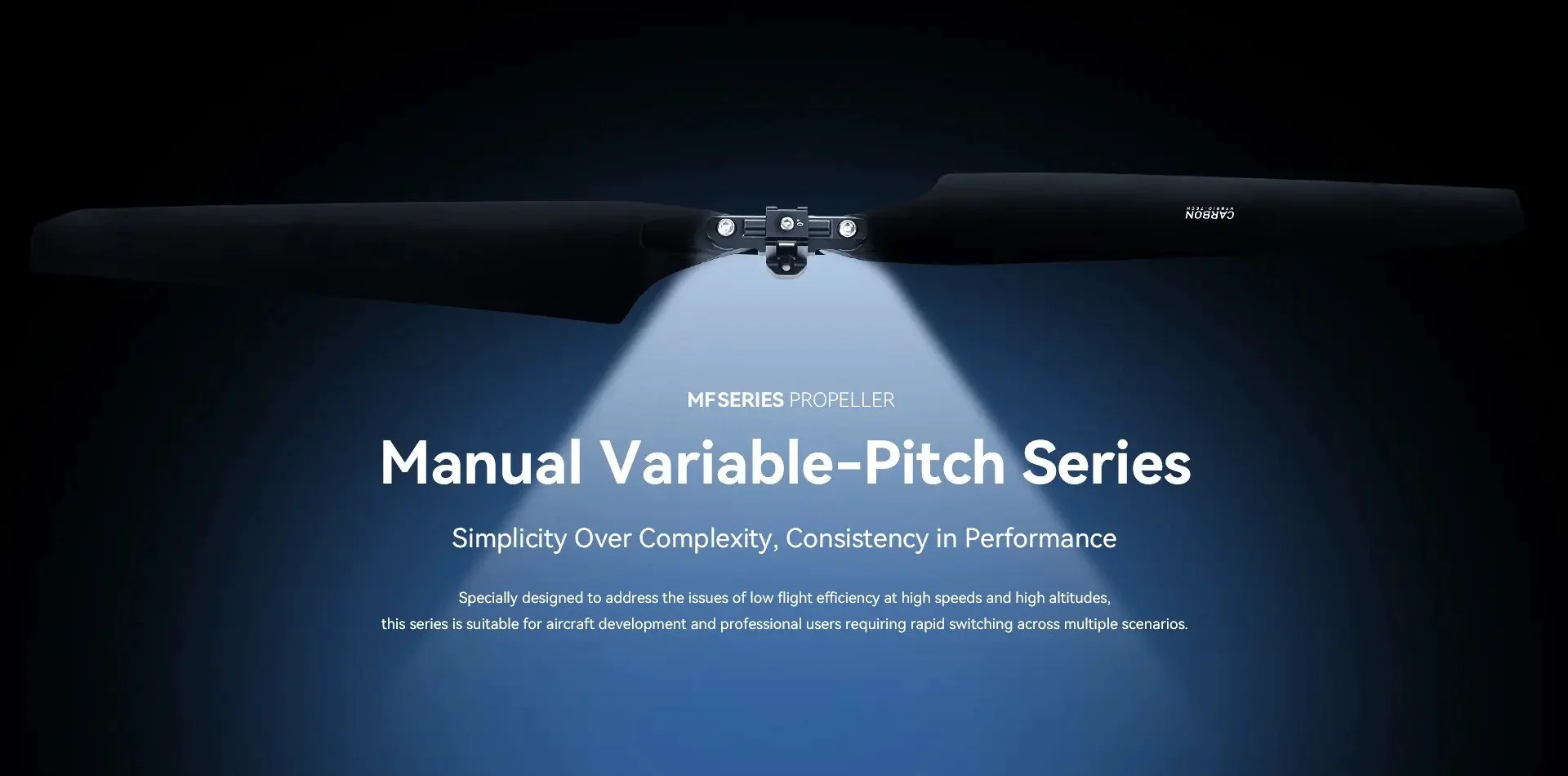
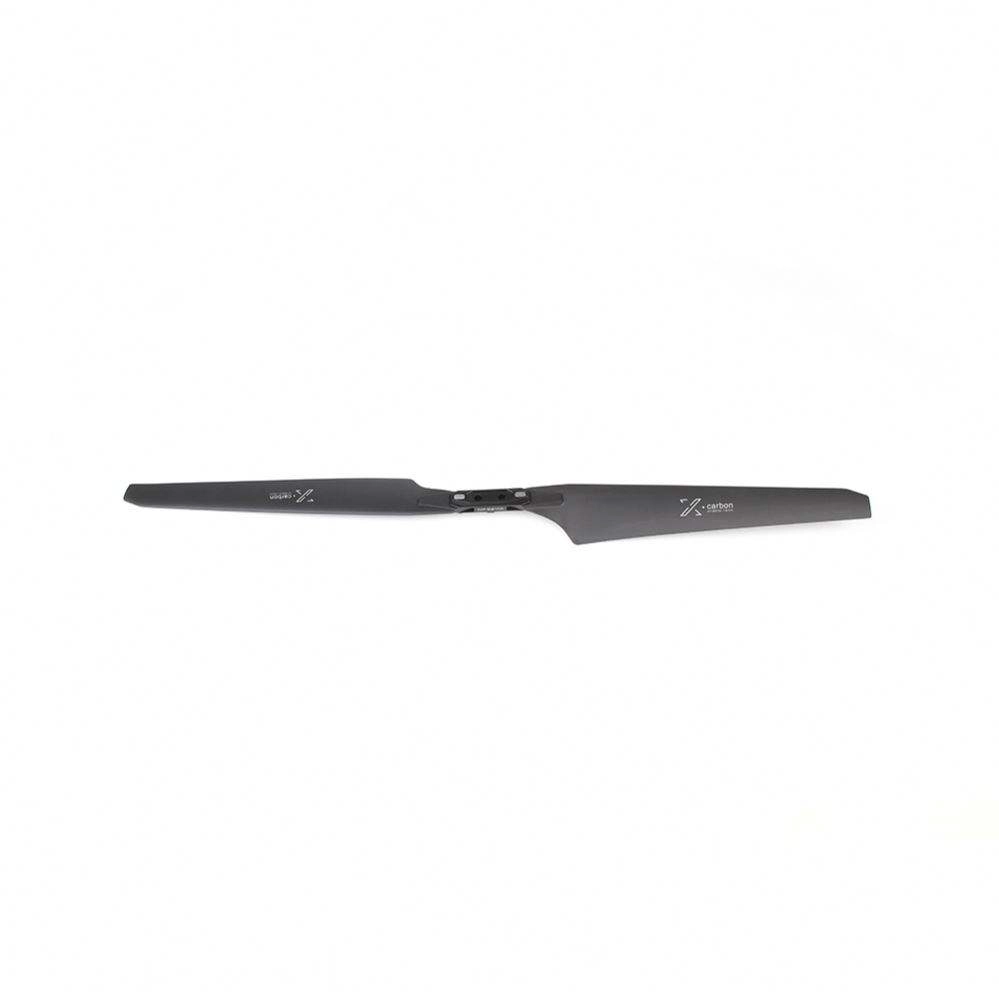
MF2211VP T-MOTOR Polymer Manual Variable Pitch Folding Propeller
The MF2211VP is a 22.4×8-inch polymer manual pitch folding propeller by T-MOTOR for multi-rotor and VTOL drones. It features tool-free pitch adjustment via positioning blocks, high-efficiency aerodynamic design with swept-back tips and downward winglets to cut consumption and vibration. Made of polymer and carbon fiber, it delivers stable thrust and meets CE, RoHS, FCC, and ISO standards.
More
-
-
MF2211 T-MOTOR Folding Carbon Fiber Polymer Drone Motor Propeller(2PCS/PAIR)
MF2211 folding propeller adopts Polymer+CF material, single blade weight 71g, diameter 22.4inch, pitch 8inch. It features doubled strength, ultimate durability, longer service life and energy-snubber design. Max thrust 11kg at 6500RPM, working temp -40℃~65℃, certified with CE, RoHS, FCC, ISO, not recommended for coaxial setups.
More
-
-
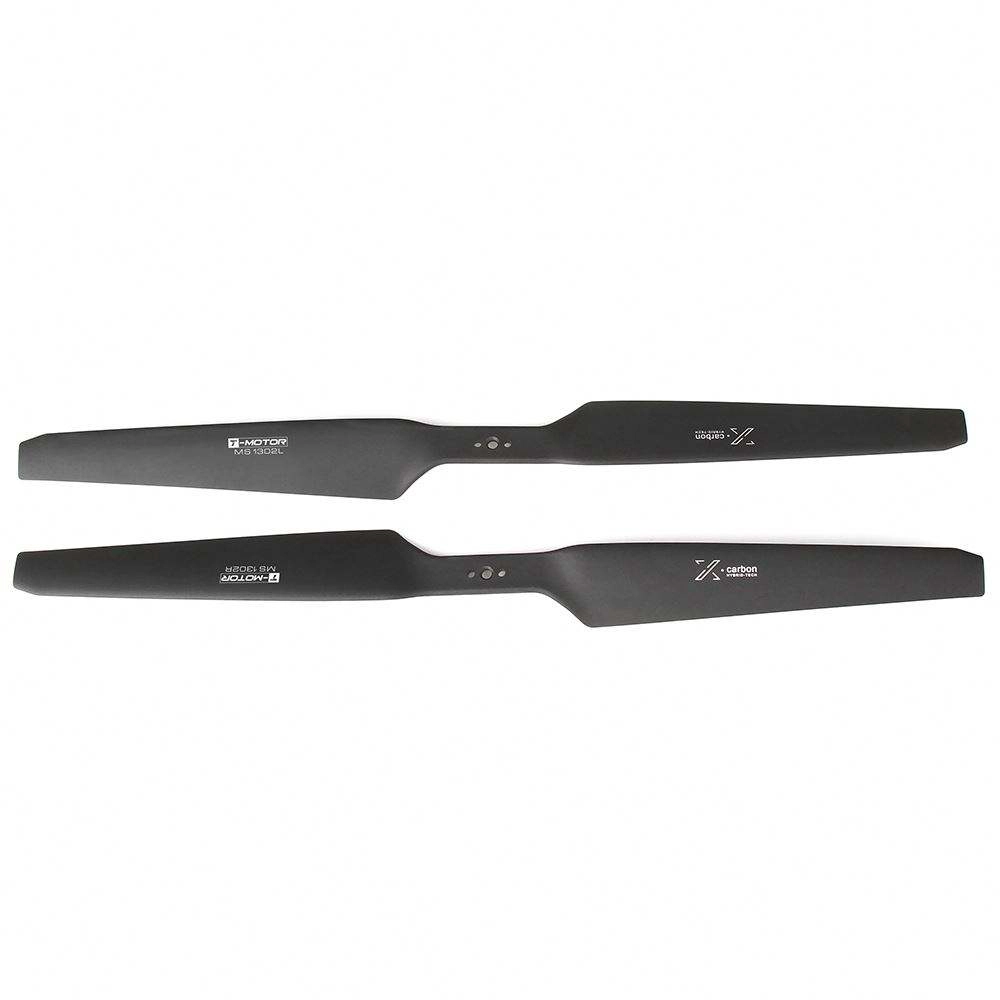
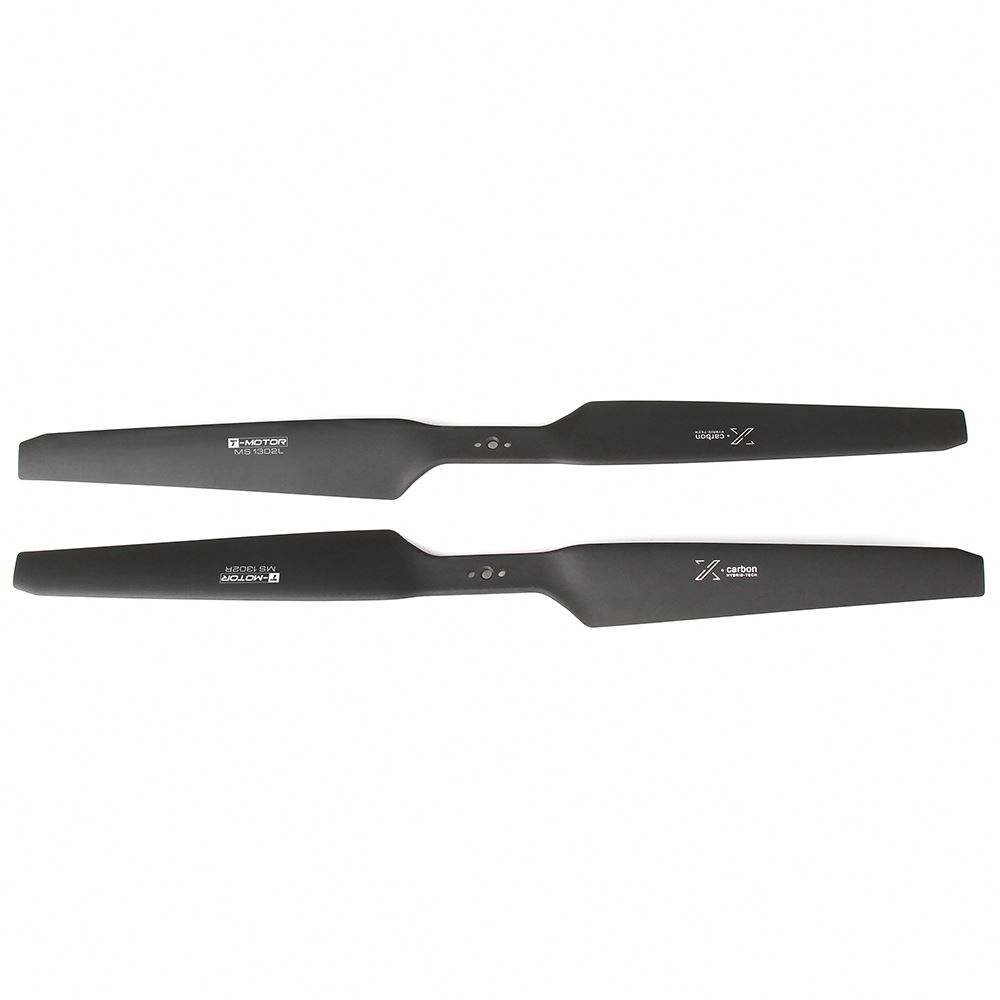
MS1302 T-MOTOR High Efficient Carbon Fiber Polymer for Multi-rotor UAV Drone Propeller
MS1302 is a high-efficiency multirotor propeller from T-MOTOR, made of carbon fiber-polymer composite. It features a thin arc trailing edge for higher lift-drag ratio, dynamic balance ≤6mg@3000RPM, low vibration, and resistance to high/low temperatures and humidity, ideal for extended endurance.
More
-
-
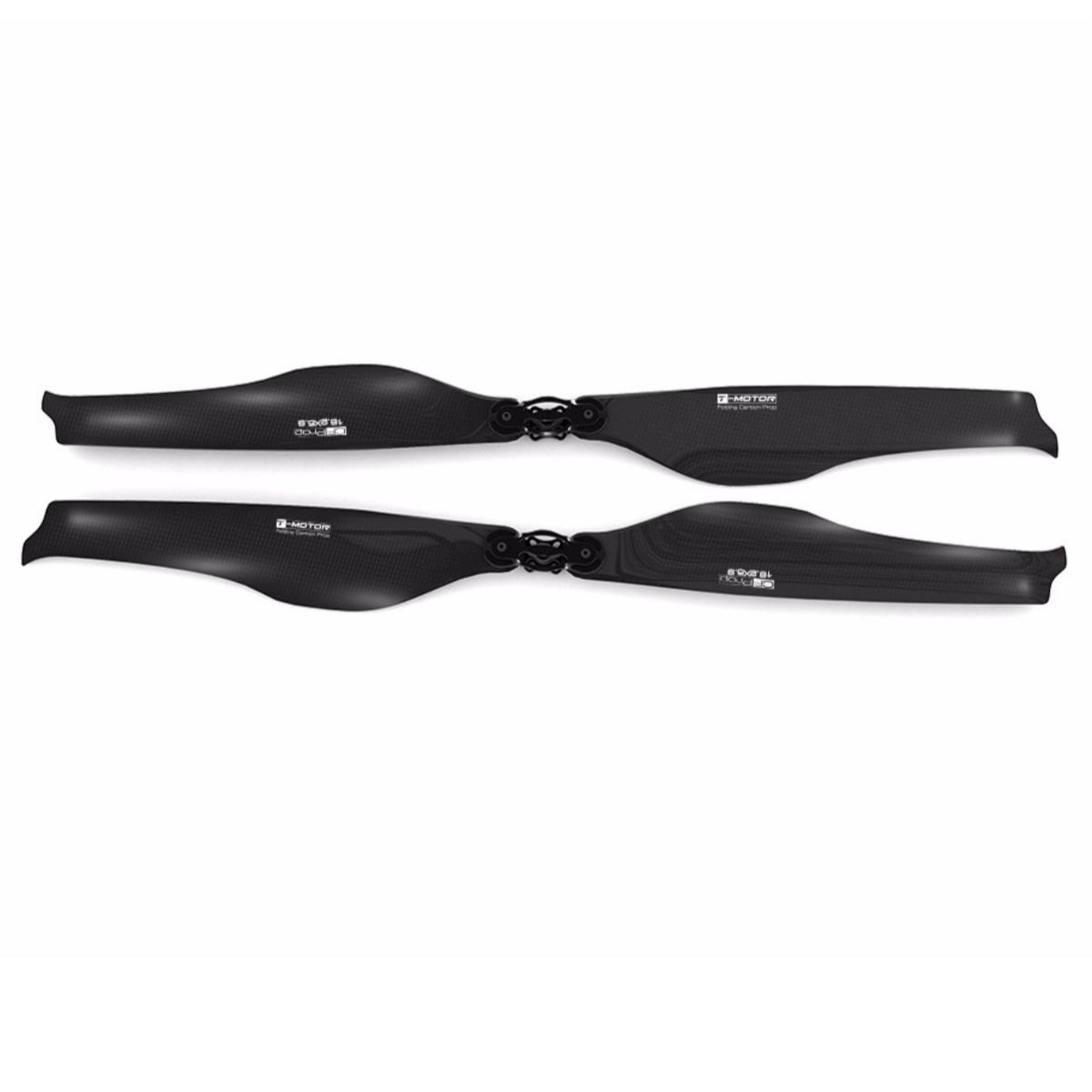
FA18.2*5.9 T-MOTOR Prop Carbon Fiber Foldable UAV Drone Propellers(2pcs/pair)
FA18.2*5.9 (2pcs/pair) is a foldable two-blade propeller of T-MOTOR Series, single blade weighing 40g. Made of CF+Epoxy with glossy surface, it has an 8kg thrust limitation and optimum RPM of 3000-6000RPM/min. It adapts to -40℃~65℃ ambient temp, with CE, Rohs, FCC, ISO certifications.
More